
Why Decluttering Your Space Helps Get Rid of Anxiety
The Psychology of Clutter: How Things Around Us Affect Stress Levels
It might seem that scattered clothes, piles of papers on the desk, or overflowing closets are just an aesthetic problem. But in reality, physical clutter has a profound impact on our mental state. When we are in a cluttered room, our brain receives too many visual stimuli simultaneously. This overloads neural networks, forcing us to constantly be distracted by objects around us. Subconsciously, we perceive clutter as "unfinished work" that constantly reminds us of itself and causes background anxiety. Studies show that people living in cluttered homes have higher levels of cortisol, the stress hormone. Furthermore, clutter makes finding needed items difficult, leading to daily minor irritations: we run late because we cannot find keys, or we get annoyed trying to pull an item from the back of a closet. Therefore, organizing space is not just a cleaning process; it is a way to regain control over your own environment and, consequently, your own emotional state.
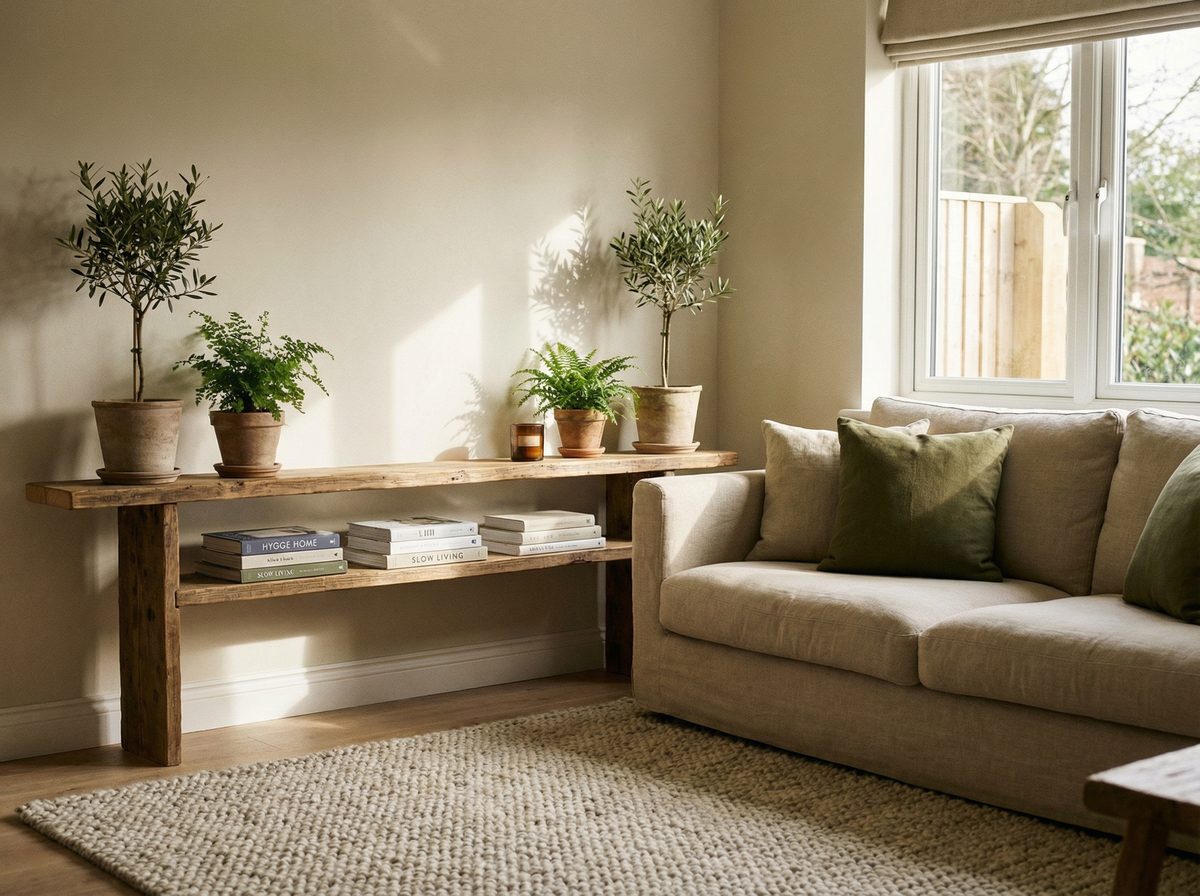
Decluttering as Therapy: Where to Start So You Don't Give Up
Many of us from time to time feel a sharp desire to throw out everything unnecessary and start life "with a clean slate." We pull all the things out of the closets, create a huge pile in the middle of the room, and... an hour later lose motivation, feeling overwhelmed by the scale of the problem. For decluttering to bring a therapeutic effect rather than new stress, it must be gradual. The best approach is the small steps method. Do not try to clean the entire apartment in one day. Start with one small zone: it could be a single shelf in the bathroom, one desk drawer, or even just the surface of a nightstand. Set a timer for 15-20 minutes and work only within that time. When you successfully manage one small zone, you will feel a rush of dopamine and satisfaction from the result. This will give you energy for the next step. It is also important to prepare boxes or bags for sorting: "keep," "donate/sell," and "throw away." Make decisions quickly: if you haven't used an item for over a year and it holds no huge sentimental value, it is highly likely you do not need it.
The One-Touch Rule: How to Keep Order Without Extra Effort
Decluttering a space is only half the battle; maintaining this order in daily life is much harder. There is a simple but incredibly effective "one-touch rule" for this. The essence of it is that every item you pick up must be immediately put in its final resting place, without intermediate stops. For example, when you return home and take off your coat, do not throw it on a chair thinking "I will hang it up later." Hang it in the closet right away. After reading a letter, immediately throw it in the trash or put it in the appropriate folder, rather than leaving it on the desk. We often create clutter precisely because of these micro-decisions to postpone an action. It seems like putting an item away will take a lot of time, but in reality, it takes seconds. If you train yourself to complete every small action with objects in one touch, your home will always remain tidy, and you will never again have to spend entire weekends on exhausting deep cleaning that ruins your mood.
Emotional Attachment to Things: How to Let Go of What Is No Longer Needed
The hardest stage of decluttering is parting with things that hold emotional value for us or have certain memories attached. It's an old sweater from a first date, a collection of postcards from college days, or gifts from people we no longer communicate with. We think that by throwing the item away, we will erase the memory itself. But it is important to realize: our memories live in our heads, not in material objects. If an item just lies in a box for years collecting dust, it does not bring you joy, but only takes up physical space. Ask yourself: does this item reflect who you are today? Do you want to take this object into your future? If it is very hard for you to part with something memorable, take a picture of it. A photograph will preserve the memory without taking up space in the closet. Also, try shifting the focus: by giving a good but unneeded item to charity, you give it a new life and benefit others, which is emotionally much more pleasant than simply keeping it in a dark corner.
Minimalism or Conscious Consumption: Finding Your Balance
In the modern world, radical minimalism is often promoted — the ideal of empty white rooms with only one chair and a plant. But for most people, this approach is uncomfortable because it strips a space of its individuality and coziness. Do not strive for sterility for the sake of sterility. The goal is not to own the minimum possible number of things, but to own things consciously. This is conscious consumption. Your home should reflect your interests: if you love to read, you can have a large library; if you love cooking, lots of spices and dishes. The main thing is that every item in your home has its place and brings you joy or utility. Before every new purchase, take a pause: do not buy things impulsively. Ask yourself: where will I put this? How often will I use it? Do I really need it, or is it just a fleeting desire? By finding your personal balance between emptiness and accumulation, you will create a space that supports your peace of mind rather than draining your energy.