
Ergonomics and Coziness: Secrets of the Perfect Home Office
Why Working from Bed Is a Bad Idea for Your Productivity
When we first transition to remote work, the idea of working without getting out from under a warm blanket seems incredibly appealing. However, this approach quickly turns against us. The bed is associated exclusively with sleep and rest by our brain. When we start working there, this neural connection is broken. The brain gets confused: do we need to concentrate on complex tasks right now, or relax? As a result, we get the worst of both worlds: during work we feel sleepy and lethargic, and at night, trying to fall asleep in the same bed, we cannot stop the flow of thoughts about work projects. Aside from the psychological aspect, there is also a physiological one. Working with a laptop on our knees forces us to slouch, straining the neck and shoulders. Within a few weeks of this routine, back pain and headaches appear. Therefore, the first rule of effective work from home is to clearly separate spaces. The bed must remain a sacred place for sleep, and for work, a separate, at least minimally equipped zone is needed.
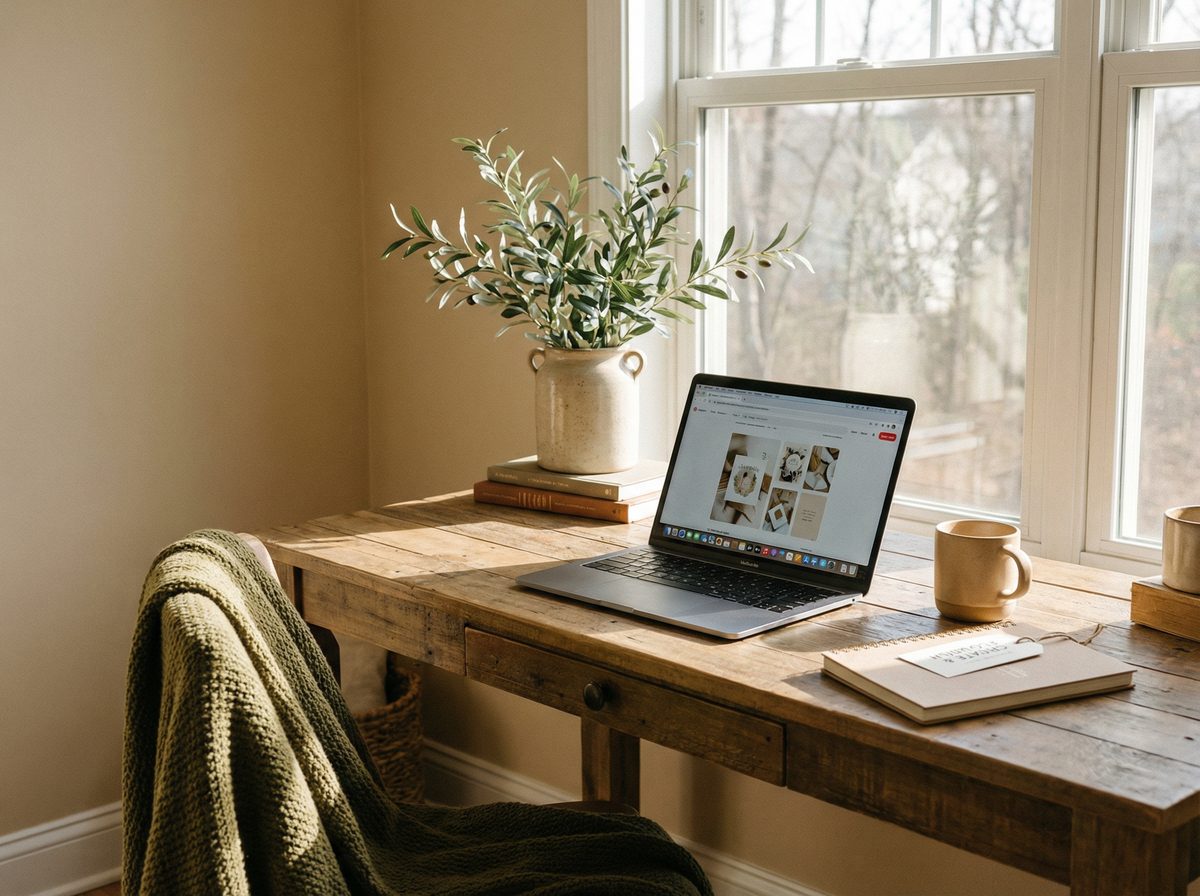
Basic Ergonomic Rules: Desk, Chair, and Proper Posture
Your workspace is an investment in your health. Even if you don't have a separate office, it is important to organize the space according to ergonomic rules. Start with the height of the desk and chair. When you sit, your feet should be fully flat on the floor, and your knees should be bent at a 90-degree angle. Your elbows should also form a right angle when your hands rest on the keyboard. The most common problem with home offices is working exclusively on a laptop whose screen is too low. This forces you to constantly tilt your head forward, creating a colossal strain on the cervical spine. The solution is very simple: buy a special laptop stand (or use a stack of thick books) to raise the screen to eye level, and connect a separate keyboard and mouse. Do not skimp on a chair: if you sit for eight hours a day, a kitchen stool will not do. You need a chair with lumbar support that allows you to maintain the natural curve of the spine and avoid back muscle fatigue.
Zoning the Space: How to Separate Work and Rest in One Room
Many face the reality of having a home office, bedroom, and living room all in the same room. In such conditions, psychological separation of space becomes a vital necessity. If your brain constantly sees the work desk when you try to rest on the couch, you will never be able to fully relax. Use visual and physical barriers. This could be a light screen, an open bookshelf, or a large houseplant that will obscure the work area. If there is no physical space for barriers, use zoning through color or light. For example, place a separate rug of a different color near your desk. Work under bright desk lighting, and when you finish working, turn it off and turn on a soft floor lamp in the relaxation area. The change in lighting will give your brain a clear signal about the change in activity. Another good trick is to position your desk so you do not see the bed while working, and vice versa — so the work monitor is not visible from the bed.
Details That Help Focus: Plants, Organizers, Mood Boards
Once the basic ergonomic issues are resolved, it's time to add character and functionality to the space. The workspace should not be sterile, but neither should it be cluttered. Find the golden mean. Use convenient organizers for stationery and cables, because visual clutter on the desk automatically turns into clutter in your thoughts. Add houseplants: studies prove that the presence of greenery in the workplace reduces stress levels and increases productivity by 15%. Live plants purify the air and give your eyes a rest when you look away from the screen. To maintain motivation, create a wall mood board in front of you. Place there not only to-do lists but also inspiring quotes, photos of places you want to vacation, or just beautiful images. This will remind you of what you are working for. It is important that these details do not distract you from work but create a pleasant and productive atmosphere you want to return to every morning.
The End-of-Work Ritual: How to "Close" the Office If It's in Your Bedroom
The biggest danger of remote work is blurred boundaries of the workday, where you continue to check emails at 10:00 PM. To preserve your mental health, you need a clear ritual for ending work. In an office, we physically left the building, which served as a signal to the brain. At home, this signal needs to be created artificially. Determine the exact time you finish work. At the end of the day, be sure to close all work tabs and programs, and turn off your computer (don't just put it to sleep, actually turn it off). Clear cups off the desk, put away papers and pens in their places. This cleaning process is a metaphorical "closing of the office doors." Next, do a transition action: go for a 15-minute walk, take a shower, or change from "work" home clothes into "relaxation" clothes. These actions help relieve work tension and fully transition back into home mode, even if you physically stayed in the same room. Without such a ritual, you risk living in a state of constant, uninterrupted work process.